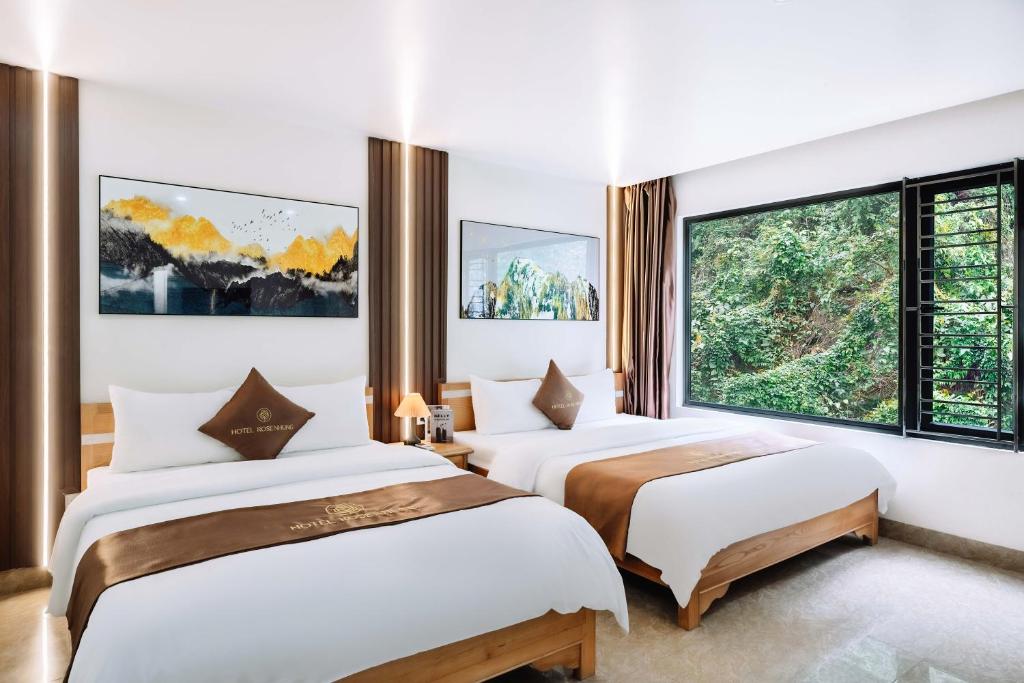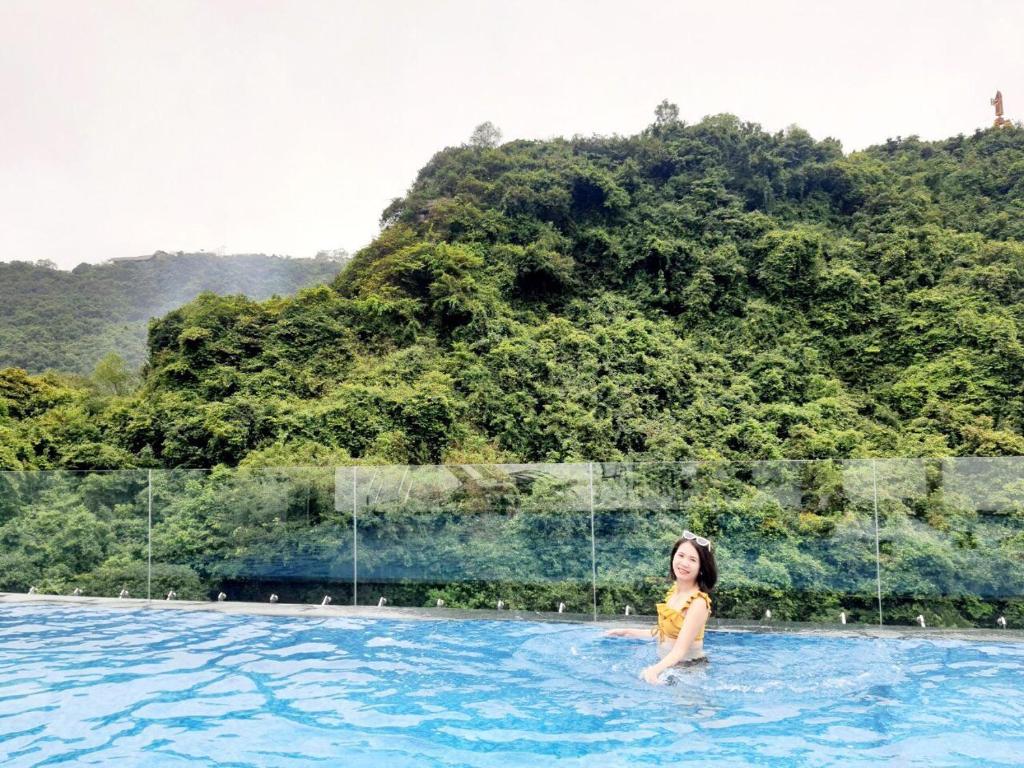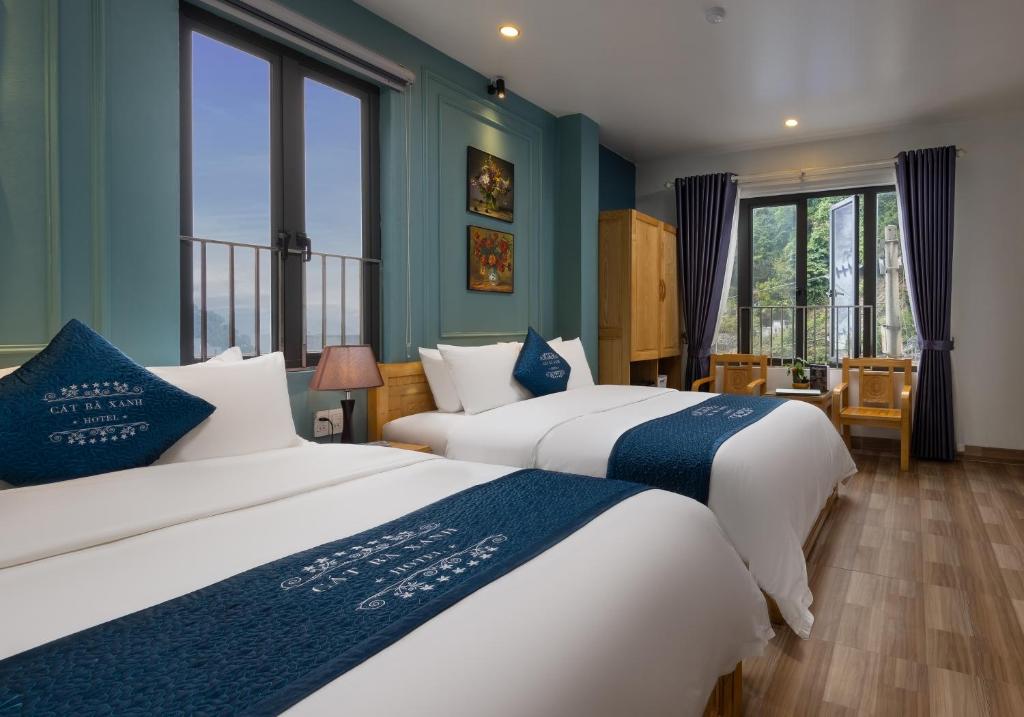
Cat Ba Xanh Spring Garden Hotel
Cat Ba Island · 25.1 km from the centre
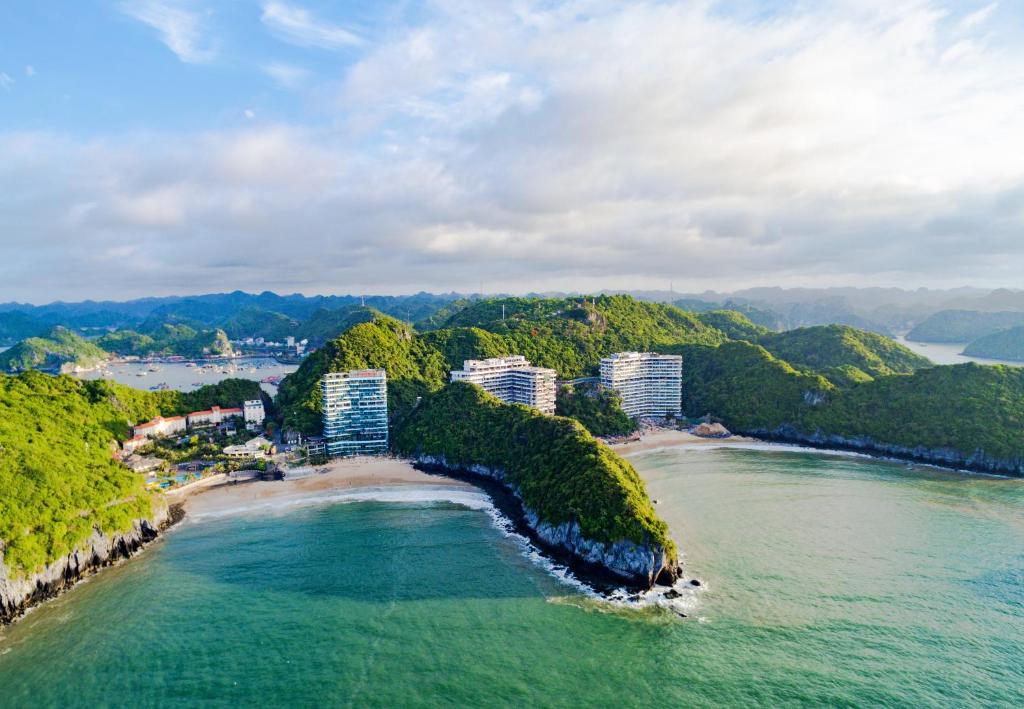
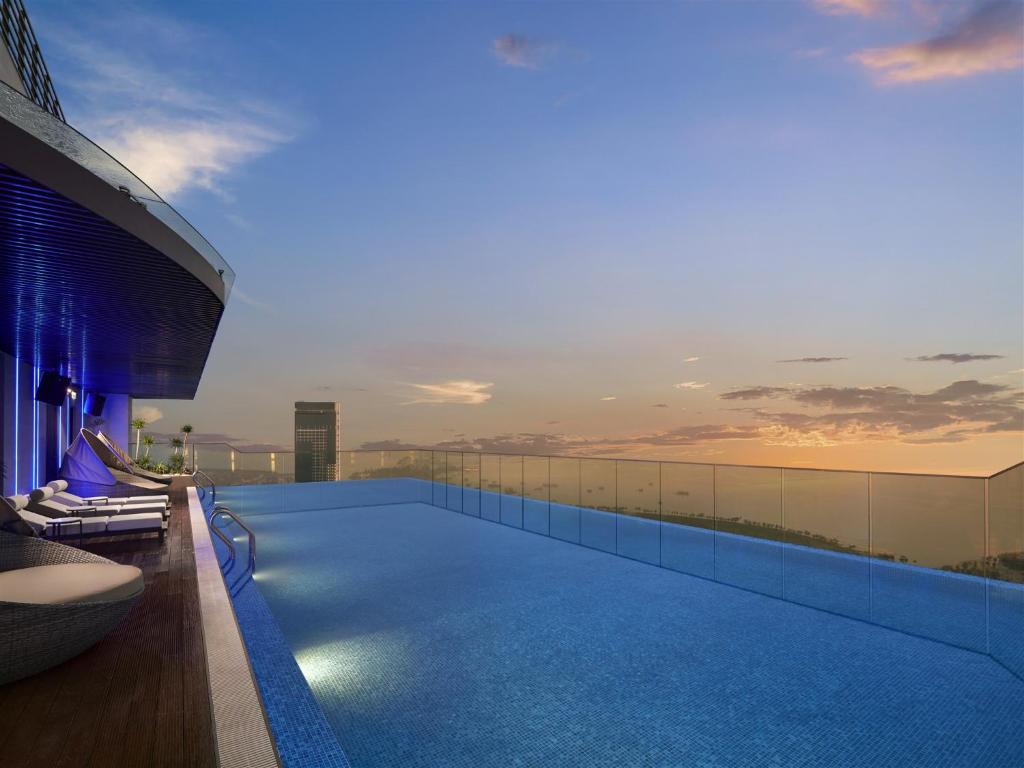
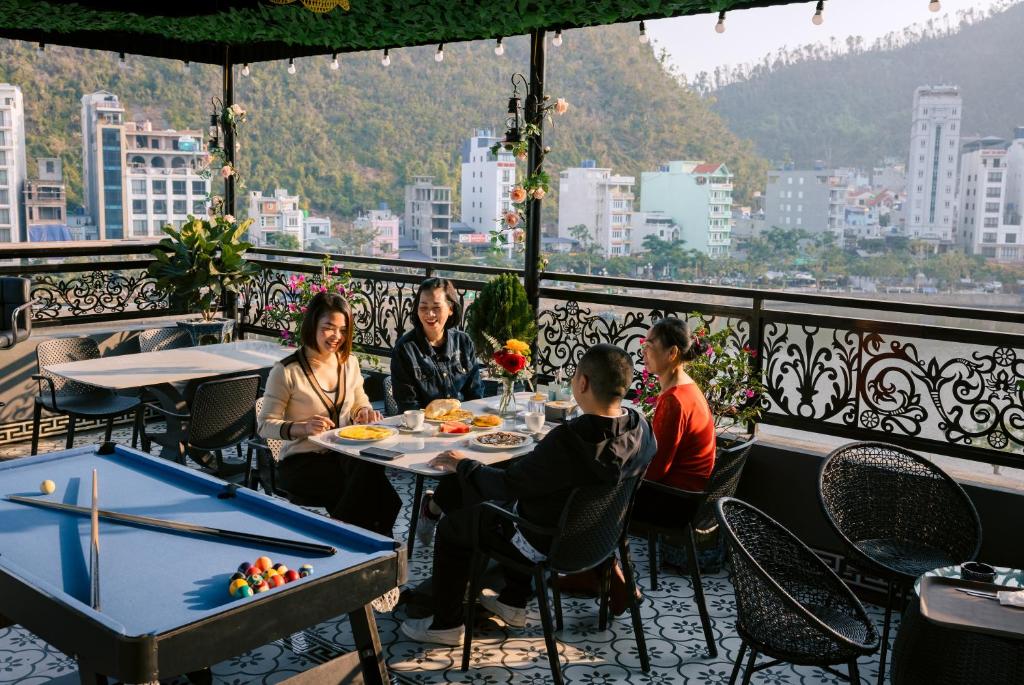
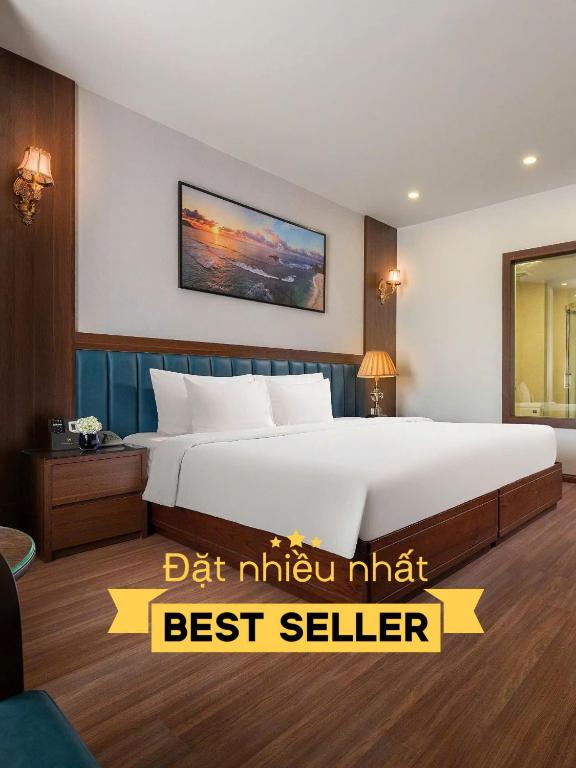
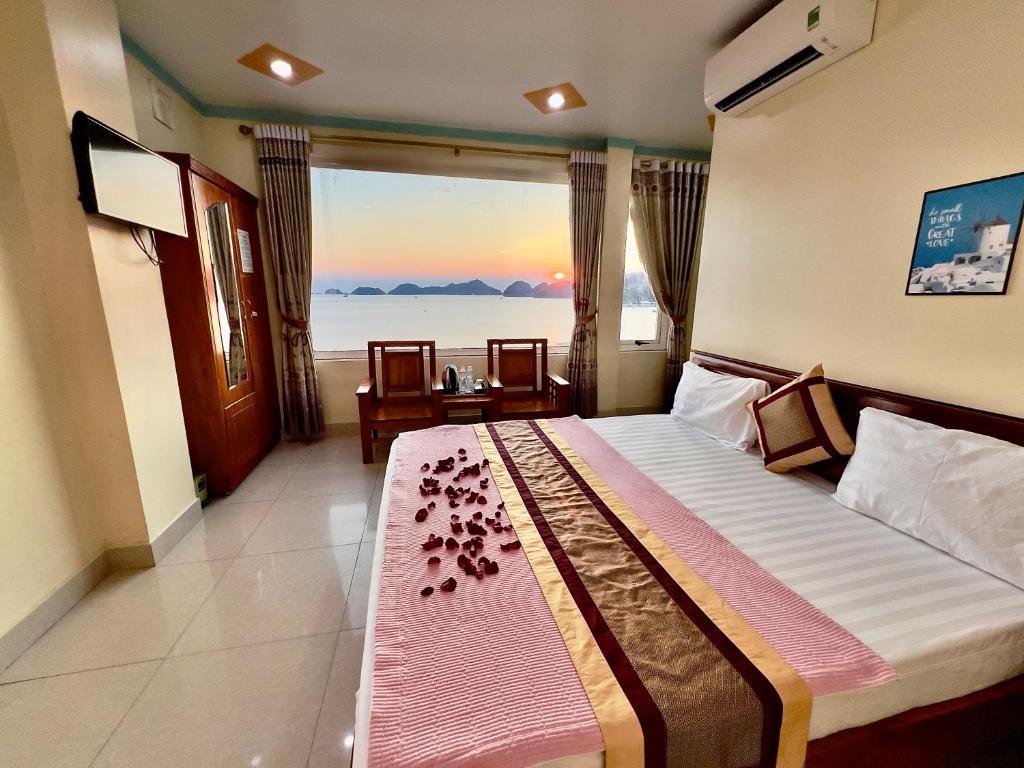
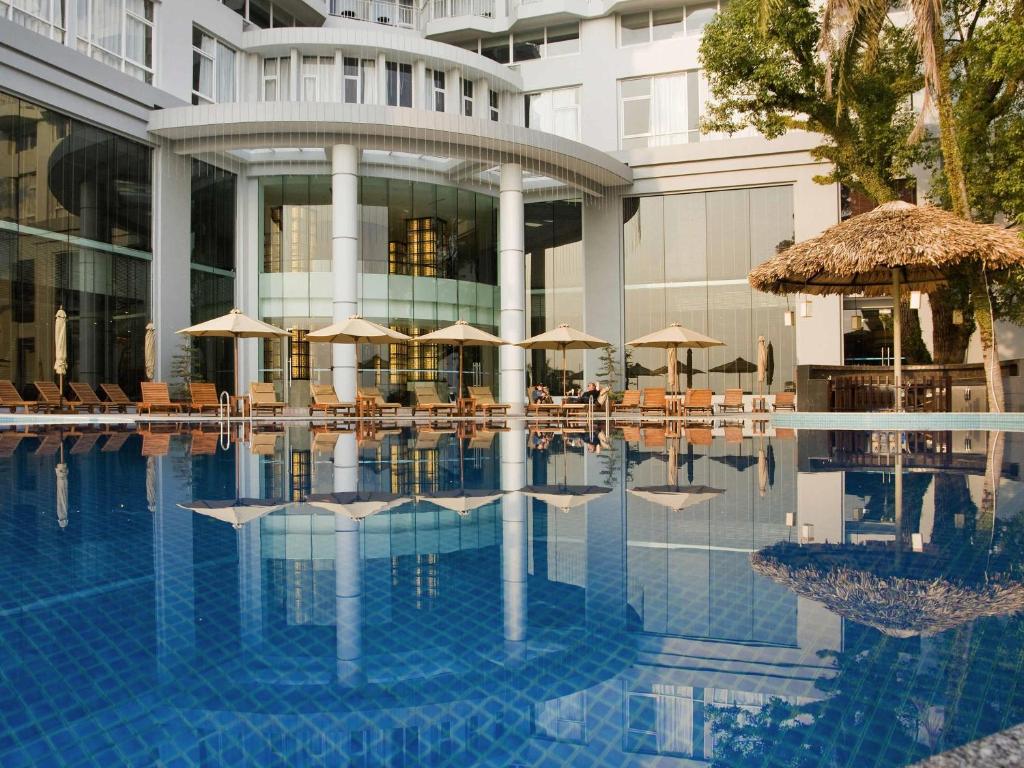
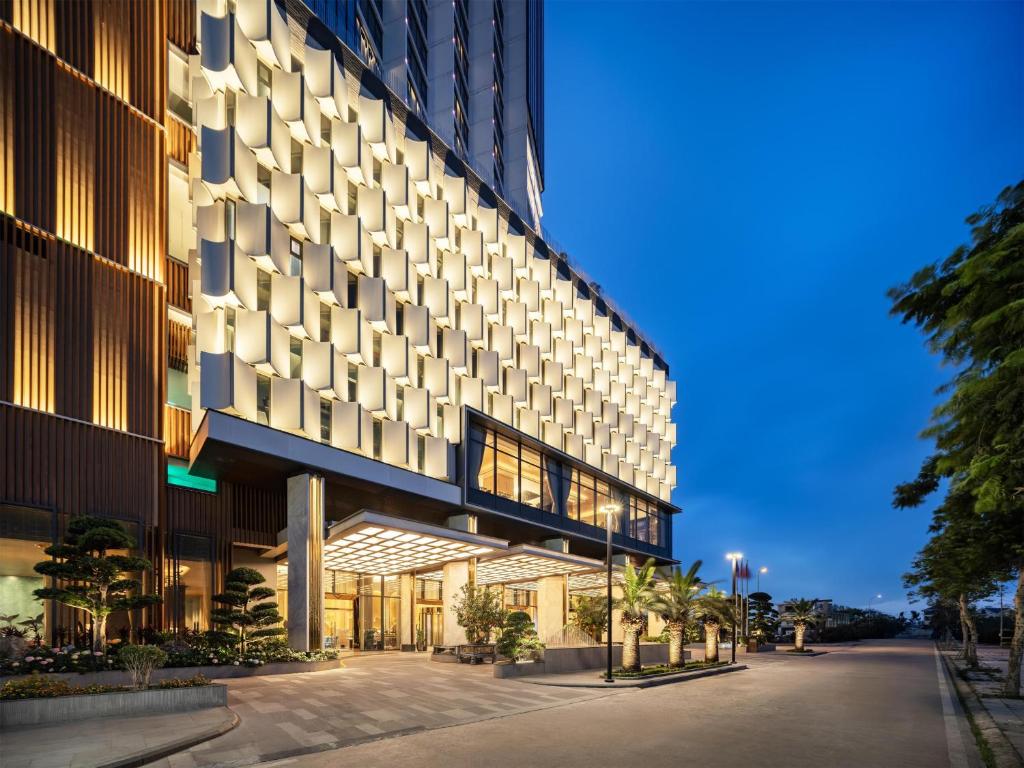
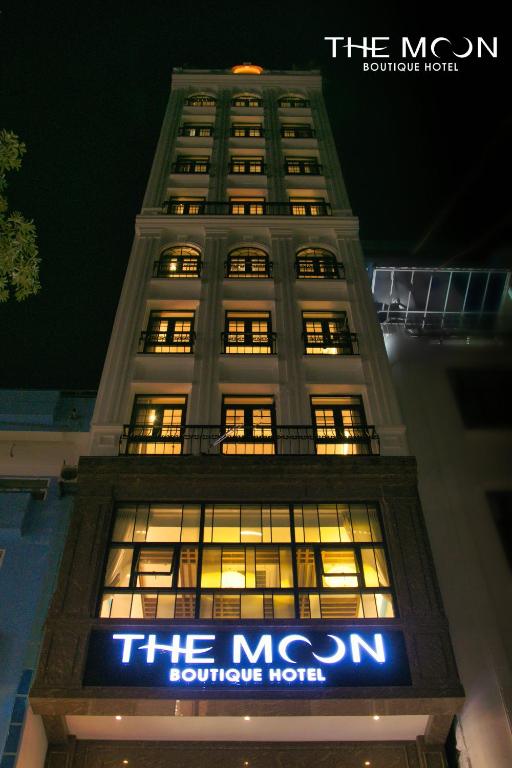
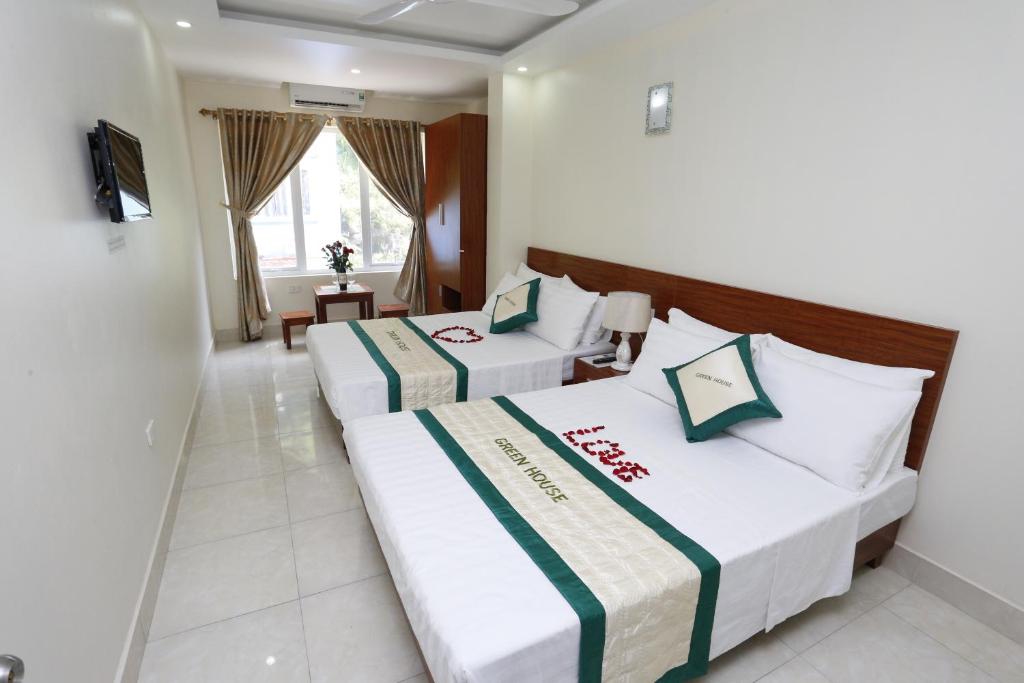
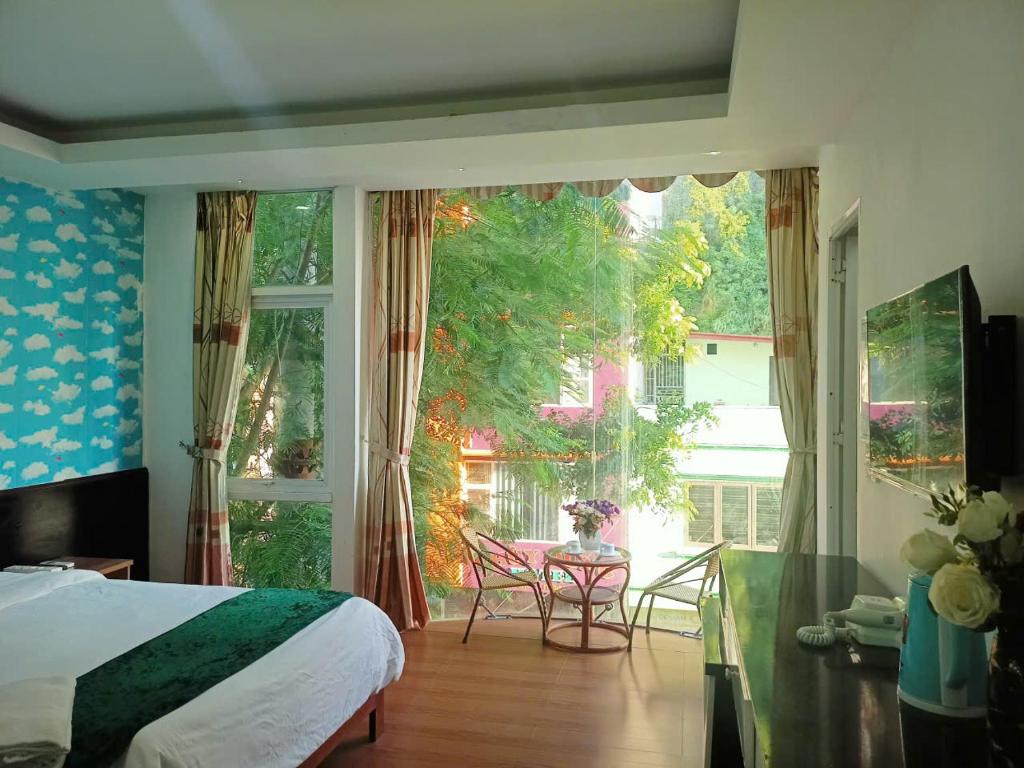
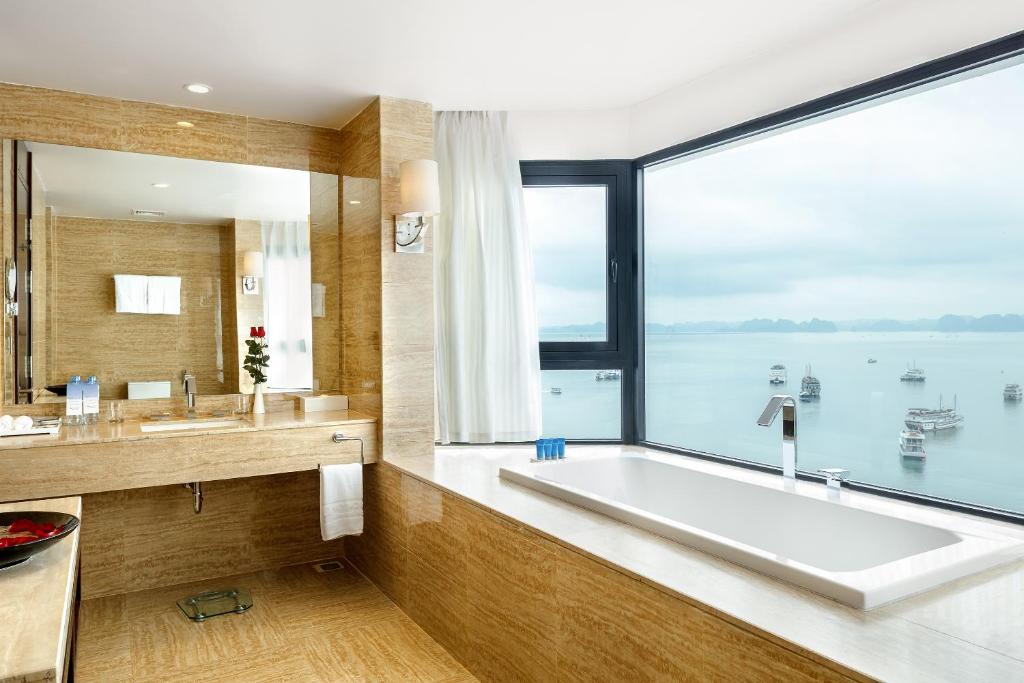
Cat Ba Xanh Spring Garden Hotel is a 3-star hotel on Cat Ba Island, 800 m from Tung Thu Beach, with family rooms, sea, garden and mountain views, a spa and a garden terrace.

419 places to stay in Ha Long Bay: hotels, apartments and aparthotels, area by area
419 accommodations · 214 hotels · 123 apartments · 23 aparthotels
419 accommodations
Cat Ba Island · 25.1 km from the centre
Cat Ba Xanh Spring Garden Hotel is a 3-star hotel on Cat Ba Island, 800 m from Tung Thu Beach, with family rooms, sea, garden and mountain views, a spa and a garden terrace.
Cat Ba Island · 26.4 km from the centre
Flamingo Cát Bà Resort Managed by Flamingo Hotels & Resorts is a 5-star beachfront resort on Cat Co beach, Cat Ba Island, with sea- and mountain-view rooms, an indoor pool, a spa a...
Hung Thang · 3.0 km from the centre
The Watson Premium HaLong Hotel is a 5-star hotel in Hung Thang, Ha Long, with a rooftop swimming pool, a spa and wellness centre, and suites with a balcony or terrace over the sea...
Cat Ba Island · 25.4 km from the centre
Bao Phuc Hotel is a 2-star hotel in Cat Ba town on Cat Ba Island, with lake-view superior rooms, a terrace and an Asian breakfast served à la carte, 400 m from Tung Thu Beach.
Hon Gai · 2.7 km from the centre
Halong Boutique Hotel is a 4-star hotel in Hon Gai, Ha Long Bay, with air-conditioned rooms from 22 to 35 m², family rooms for up to three guests, a restaurant, a sun terrace and a...
Cat Ba Island · 25.8 km from the centre
Manh Vuong Hotel CatBa is a 3-star hotel on Cat Ba Island with direct beachfront access, a garden terrace and four room types, from 22 m² to a family suite for up to six guests.
Bai Chay · 1.2 km from the centre
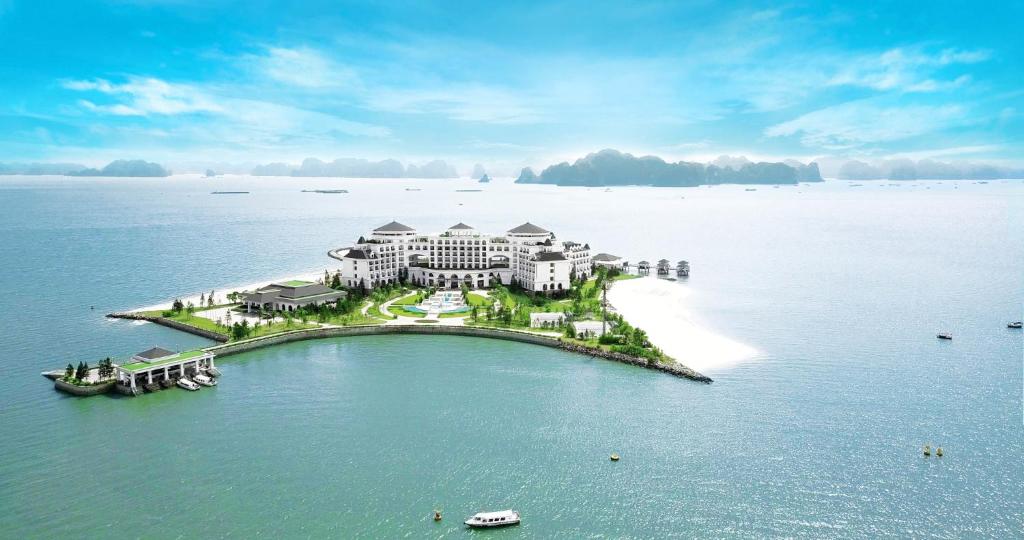
Vinpearl Resort & Spa Ha Long is a 5-star resort on a private island off Bai Chay in Ha Long, with three private beaches, indoor and outdoor pools, a spa and sea-view rooms with ba...
Tuan Chau Island · 8.1 km from the centre
Tulip Cruise is a 5-star cruise boat at the Tuan Chau harbour in Ha Long Bay, with sea-view cabins, private balconies and a buffet breakfast on board.
Hung Thang · 4.9 km from the centre
A La Carte Ha Long Bay Managed by TASECO is a 5-star hotel in Hung Thang, Ha Long, with direct beachfront access, sea-view balconies, several pools and a spa, plus two-bedroom suit...
Tuan Chau Island · 7.4 km from the centre
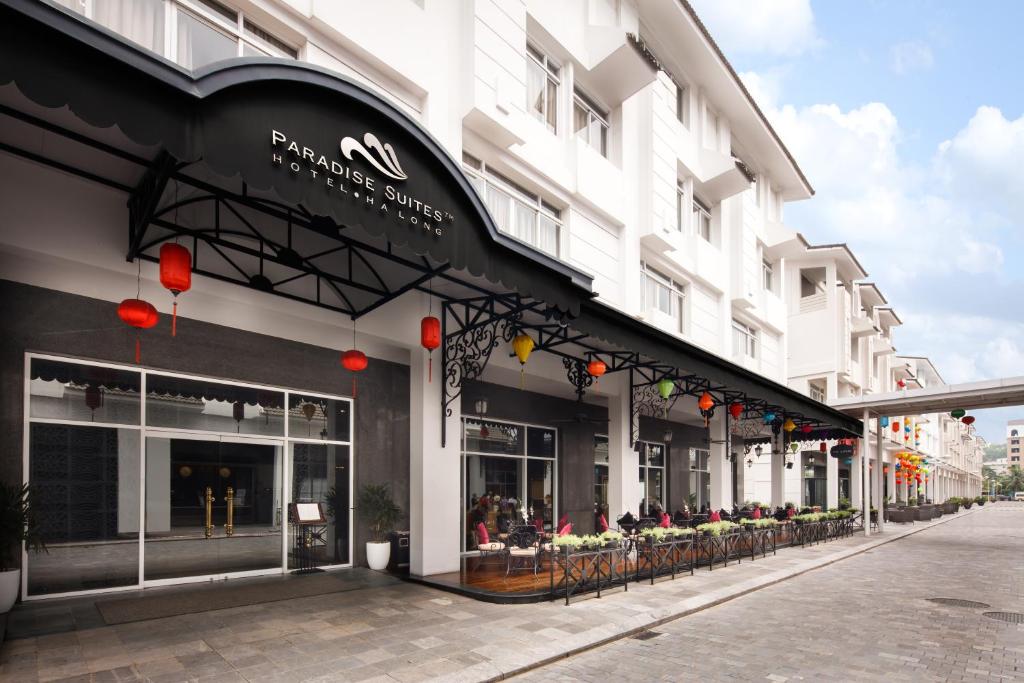
Paradise Suites Hotel is a 4-star hotel on Tuan Chau Island in Ha Long Bay, with air-conditioned suites, an in-house restaurant and a spa centre a short distance from Tuan Chau Mar...
Bai Chay · 0.9 km from the centre
Novotel Ha Long Bay Hotel is a 5-star hotel in Bai Chay, Ha Long, with air-conditioned rooms facing Ha Long Bay, an outdoor pool, a poolside restaurant and a tour desk that arrange...
Hung Thang · 2.7 km from the centre
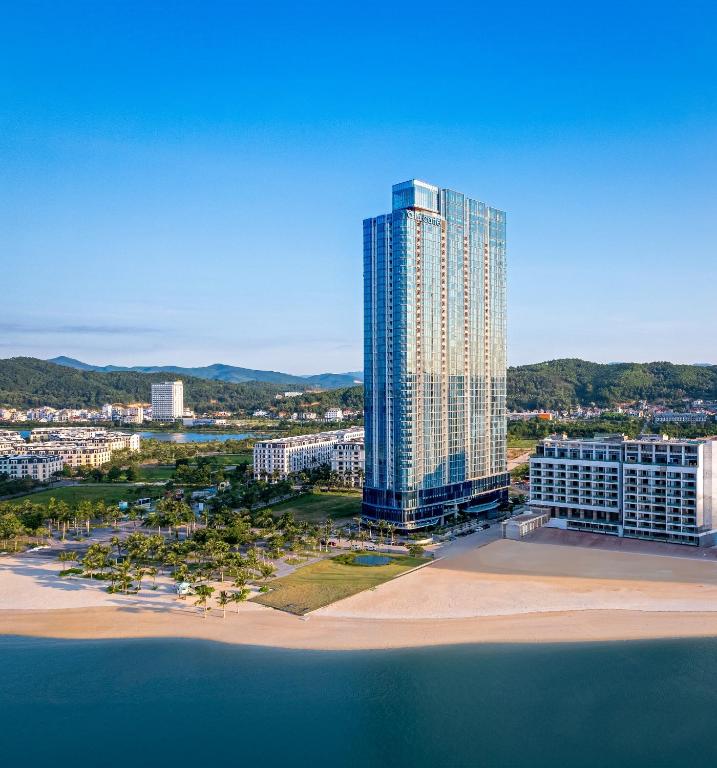
Radisson Blu Ha Long Bay is a 5-star hotel in Hung Thang, Ha Long Bay, with lake and bay view rooms, an indoor heated pool on the 30th floor and a spa, 800 m from Bai Chay Beach.
Cat Ba Island · 25.6 km from the centre
A 3-star hotel on Cat Ba Island in Ha Long Bay, with air-conditioned rooms and suites, city views, a terrace and a family-friendly restaurant, close to the Cat Co beaches.
Cat Ba Island · 25.7 km from the centre
catba sunrise hostel is a 1-star hotel in Cat Ba town, on Cat Ba Island, with family rooms of up to 28 m², mountain and city views, and a buffet breakfast on site.
Cat Ba Island · 25.4 km from the centre
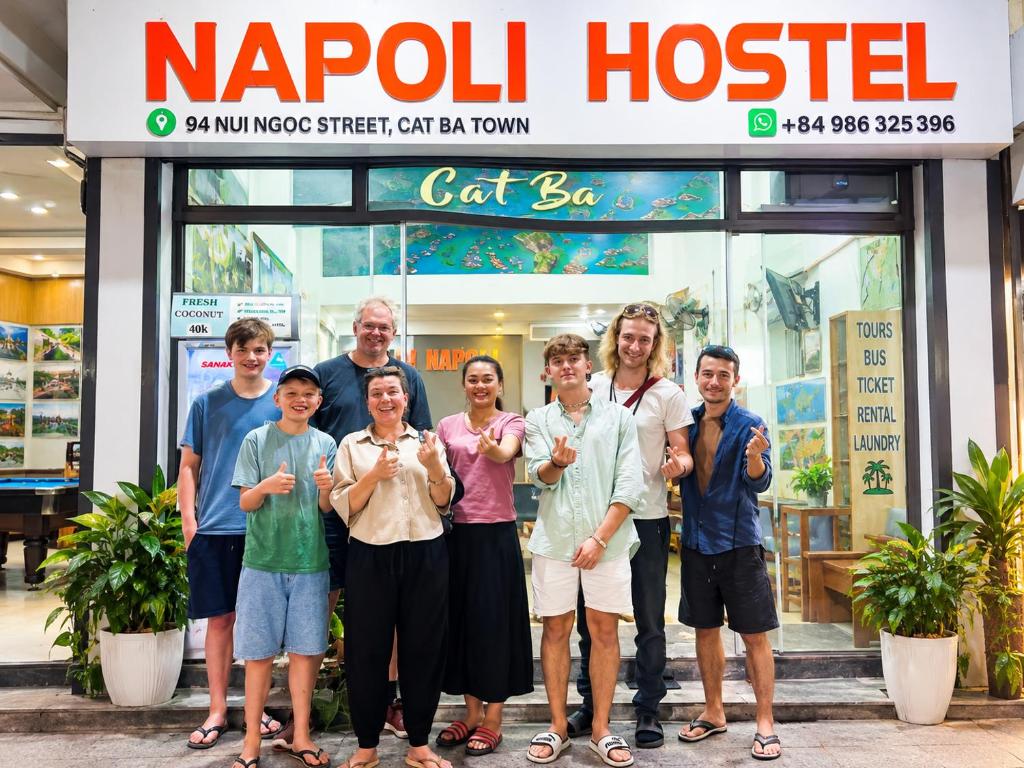
Napoli Hostel Cat Ba is a guest house in Cat Ba town on Cat Ba Island, with rooms of 20 to 26 m², balconies, mountain views, family rooms and free parking on site.
Cat Ba Island · 25.7 km from the centre
catba island hostel is a 2-star hotel on Cat Ba Island, with air-conditioned rooms, a restaurant serving Vietnamese and international dishes, and a tour desk for day trips to fishi...
Bai Chay · 1.2 km from the centre
Wyndham Legend Halong is a 5-star hotel in Bai Chay, Ha Long Bay, with sea-view rooms and suites, an outdoor pool, restaurants and free on-site parking, close to Sunworld and Bai C...
Cat Ba Island · 25.7 km from the centre
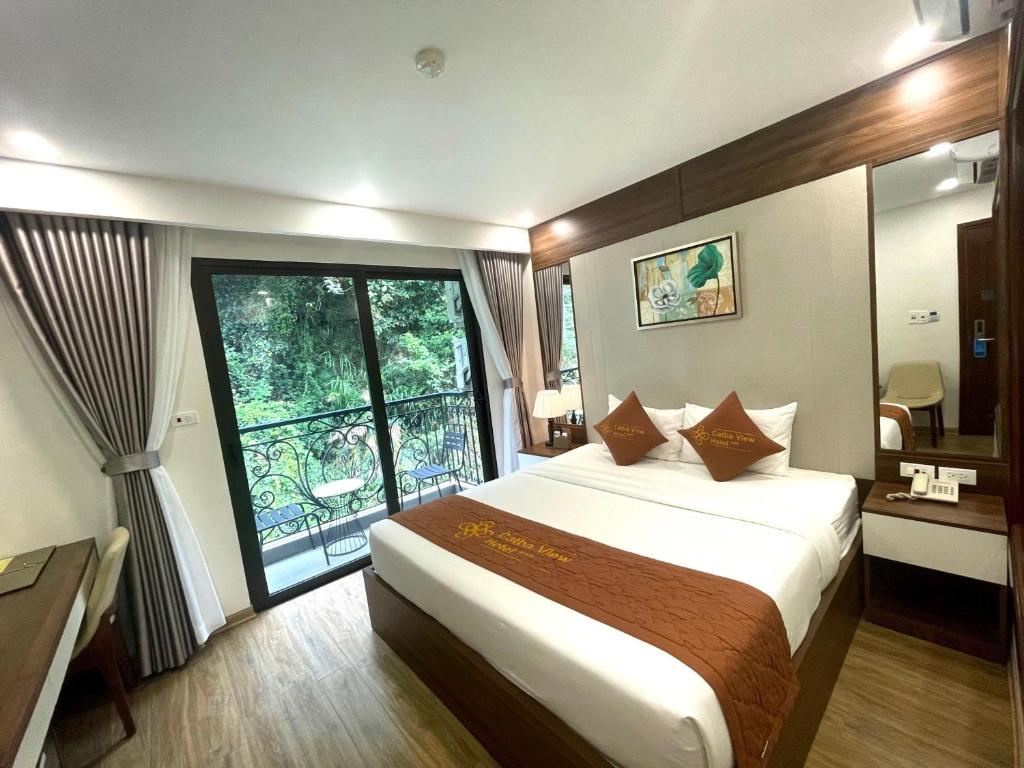
Catba View Hotel is a 3-star hotel in Cat Ba town on Cat Ba Island, about 500 m from Cat Co 2 Beach. It offers family rooms of 45 m², a terrace, a bar and bicycle and car hire.
Cat Ba Island · 25.7 km from the centre
Cat Ba Rose Nhung Hotel is a 2-star hotel on Cat Ba Island with air-conditioned family rooms, some with mountain or garden views, a restaurant with vegetarian and vegan dishes, and...
Cat Ba Island · 25.4 km from the centre
Sand Hotel is a 3-star hotel on Cat Ba Island, with family rooms, a rooftop swimming pool and a sun terrace, a short walk from the Cat Co beaches.
Ha Long Bay is the stretch of sea in north-east Vietnam where nearly two thousand limestone islands and islets rise straight out of green water, about 130 km east of Hanoi in Quang Ninh province. Together with the Cat Ba archipelago to the south-west, in neighbouring Hai Phong, it forms a single UNESCO World Heritage site, Ha Long Bay – Cat Ba Archipelago. The bay itself has almost no places to stay: the islands are protected, uninhabited karst towers, and the only beds on the water are those of the cruise boats. Everything else sits on the shore, in the city of Ha Long, or on Cat Ba, the one large inhabited island of the area.
Ha Long is a long, narrow coastal city built on both sides of the Cua Luc strait, linked by the cable-stayed Bai Chay bridge. The west bank is the tourist side: the beach, the theme parks, the cruise harbours and most of the hotels. The east bank, Hon Gai, is the older city centre, with the provincial offices, the markets and the museum. The 419 places to stay listed on this site are spread across five areas, four in Ha Long and one on Cat Ba Island, and the choice of area matters more here than almost anywhere else in Vietnam, because the distances are long and the bay is crossed only by boat.
The five areas used on this site are very different, both in what they offer and in how easily they connect with the cruises.
Bai Chay is the heart of tourist Ha Long, on the west bank next to the bridge: the sandy town beach, Sun World Ha Long with its cable car and theme parks, the night market, dozens of seafood restaurants and the Ha Long International Passenger Port, where many cruise boats board. It suits first visits, families and anyone without a car who wants to walk to the beach and to dinner.
Hung Thang lies just west of Bai Chay and is the newest part of the city: tall apartment towers, five-star hotels and serviced apartments around Halong Marina and Marina Bay Beach, with sea views from high floors. Most of the properties here are apartments, which makes it the area for families, groups and longer stays.
Tuan Chau Island is joined to the mainland by a causeway at the western end of the city. It has the harbour from which most day and overnight cruises leave and the car ferry to Cat Ba, a handful of hotels and resorts, and the cruise boats themselves, listed here as places to stay because you sleep on board.
Hon Gai (also written Hong Gai) is the east bank of the strait: the old centre, with local markets, the Quang Ninh Museum, Bai Tho mountain and a seafront lined with new apartment buildings. It is less touristy and often better value, with the best guest ratings of the four Ha Long areas.
Cat Ba Island is south-west of Ha Long across the bay, in Hai Phong. Cat Ba town, on the island's south-east coast, has the Cat Co beaches, a fishing harbour, a national park inland and Lan Ha Bay offshore, a quieter alternative to Ha Long Bay with its own boats and kayaks. It suits travellers who want to stay longer, hike and kayak rather than take a single cruise.
Of the 419 properties on this site, hotels are the largest group, about half of the total, followed by apartments, which are concentrated in Hung Thang and Hon Gai. Then come aparthotels, villas, overnight cruise boats, guest houses and a few resorts. This mix reflects how Ha Long has grown in recent years: entire districts of high-rise apartment buildings have gone up along the coast, and many of their flats are let to visitors by the night, often with a kitchen, a washing machine and a balcony over the bay.
As a guide for 2026, rooms in guest houses, homestays and simple hotels cost up to about 900,000 VND a night, mostly in Bai Chay, Hon Gai and Cat Ba town. Three-star hotels and serviced apartments run from about 900,000 to 1,800,000 VND, four-star hotels from about 1,800,000 to 3,500,000 VND, and five-star hotels and resorts from about 3,500,000 to 8,000,000 VND, with private villas above that. Weekends, the summer holidays and Vietnamese public holidays such as 30 April and 2 September push prices up by 20 to 80 percent compared with the quieter months, and sea-view rooms carry a supplement of their own.
An overnight cruise boat is a different kind of stay: you board around midday, sail among the islands, sleep in a cabin and return to the harbour late the next morning. In 2026 a two-day, one-night cruise costs roughly US$110 to US$250 per person in the low season (May to September) and US$130 to US$300 in the high season, with meals, kayaking and cave visits usually included. The cruise boats on this site are moored at Tuan Chau and, for Lan Ha Bay, at Cat Ba.
Many visitors come to Ha Long Bay on a day trip from Hanoi, but the bay is far better seen with at least one night nearby. A day cruise of four to six hours leaves from Tuan Chau or from the international port in Bai Chay and follows one of the official routes: the classic routes take in Thien Cung Cave, Dau Go Cave and the Fighting Cock Islet, or Sung Sot Cave and Ti Top Island. The bay entry fee, set by the province, is about 200,000 to 300,000 VND per person per trip depending on the route, and it is normally included in the price of a tour.
An overnight cruise adds sunset and sunrise on the water, when the day boats have gone, and reaches quieter parts of the bay such as Bai Tu Long Bay to the north-east or Lan Ha Bay off Cat Ba. A hotel on shore is the better choice if you want flexibility, a larger room, a pool or a beach, or if you travel with small children or are sensitive to motion: you can book a day cruise for the weather you want and spend the rest of the stay on land. A common plan is one night on a boat and one or two nights in a hotel in Bai Chay, Hung Thang or Tuan Chau, close to the harbours.
From Hanoi, the road trip is about 155 to 170 km on the Hanoi – Hai Phong and Hai Phong – Ha Long expressways and takes about 2.5 to 3.5 hours. Shared limousine vans, which pick up at hotels in Hanoi's Old Quarter, cost about 200,000 to 300,000 VND per person each way, and coaches from the My Dinh and Yen Nghia bus stations are cheaper but slower. Many cruise companies include a shuttle from Hanoi in the price. Motorbikes are not allowed on the expressways and take the old roads, four to five hours.
From Noi Bai airport (Hanoi), Ha Long is 160 to 190 km away, two and a half to three hours by road. Van Don International Airport, north-east of the city, is much closer: about 50 km, or 45 to 60 minutes by expressway, with limousine vans at about 200,000 to 300,000 VND per person and taxis at about 400,000 to 700,000 VND per car.
Cat Ba Island is reached by boat. From Tuan Chau, a car ferry crosses to Gia Luan at the north of the island in about an hour, with three sailings a day in winter and five in summer, for about 60,000 VND per foot passenger; Cat Ba town is then about 22 to 25 km by road. From Hai Phong, a car ferry links Dong Bai with Cai Vieng in 20 to 30 minutes, speedboats from Ben Binh take 45 to 60 minutes for about 200,000 to 300,000 VND, and a cable car of nearly 4 km crosses from Cat Hai to Phu Long in about ten minutes. Direct buses from Hanoi to Cat Ba town, ferry included, take 3.5 to 5 hours and cost about 250,000 to 350,000 VND.
Ha Long is spread out along the coast, from Tuan Chau in the west to Hon Gai in the east, and walking only works within each area. Bai Chay is compact enough to cover on foot, and Hung Thang is a short taxi ride away. Taxis and ride-hailing cars are easy to find in all four city areas and are the normal way to reach the cruise harbours: from Bai Chay to Tuan Chau takes 15 to 20 minutes, and from Hon Gai across the bridge to Bai Chay about 10 minutes. City buses link the main areas cheaply but slowly.
On Cat Ba, everything in Cat Ba town is within walking distance, from the harbour to the Cat Co beaches and Cannon Fort. To reach the national park, Gia Luan pier or the quieter beaches, travellers rent a motorbike (about 150,000 to 200,000 VND a day) or take a taxi. Boats to Lan Ha Bay, kayaking trips and island tours leave from the harbours of Cat Ba town and Ben Beo, about a kilometre east.
Ha Long has four seasons, unlike southern Vietnam. March to May and late September to November are usually the most settled months, with mild temperatures, calm seas and good light on the islands. May to September is hot and humid, often above 30 °C, and it is the beach season, when Vietnamese families fill the hotels of Bai Chay and Cat Ba at weekends; it is also the storm season, with typhoons most likely between July and September, when the authorities can suspend all boat trips at short notice. In September 2024 Typhoon Yagi made landfall on this coast and kept the bay closed for several days. December to February is cool, about 15 to 20 °C, often grey, misty and drizzly, with water too cold for most swimmers, but also the quietest and cheapest time of year.
If your dates fall in the storm season, keep a spare day in the plan and choose a cruise or hotel that allows changes: when the harbourmaster closes the bay, cruises are cancelled or replaced with a shorter route, and a hotel on shore keeps the stay going.
On the water, the essentials are a cruise among the karst islands, a visit to one or two of the great caves (Sung Sot and Thien Cung are the best known), kayaking in the lagoons and, on the longer routes, a stop at a floating village or at Ti Top Island for the climb to its viewpoint. Lan Ha Bay, reached from Cat Ba, has smaller islands, sandy coves and fewer boats.
On land, Bai Chay has Sun World Ha Long: the Queen Cable Car crosses from the coast to Ba Deo hill and its Sun Wheel, and the Dragon Park and Typhoon Water Park sit by the beach; in 2026 the cable car costs about 380,000 VND for an adult and the Dragon Park about 300,000 to 400,000 VND. In Hon Gai, the Quang Ninh Museum explains the bay, the coal mines and the province's history, and the short climb up Bai Tho mountain gives a view over both banks. On Cat Ba, Cat Ba National Park (about 80,000 VND, including Trung Trang Cave) has forest trails to the Ngu Lam viewpoint, Cannon Fort (about 40,000 VND) overlooks the town and Lan Ha Bay, and the Hospital Cave recalls the war years.
Seafood is the local speciality everywhere: squid cakes (cha muc) from Ha Long, fresh fish and shellfish chosen from tanks in the restaurants of Bai Chay and Hon Gai, and floating restaurants in the harbours of Cat Ba.
On 1 July 2025 Vietnam reorganised its local government and abolished the district level, so Ha Long is no longer an administrative city: its area is now divided into large wards that report directly to Quang Ninh province. The new Bai Chay ward includes the former Hung Thang, the new Tuan Chau ward takes in Dai Yen and part of Ha Khau, Hong Gai ward includes the former Bach Dang and Tran Hung Dao, and Ha Long ward covers the former Hong Ha and Hong Hai. On the same date Hai Phong merged with Hai Duong province, and Cat Ba became part of the Cat Hai special zone. Addresses written before and after the change both appear, so the same street can be listed under different ward names; the five areas on this site follow the places as visitors know them.
Two days and one night is the minimum to see the bay without rushing, either on an overnight cruise or with a day cruise and a night in a hotel. Three or four days allow a cruise, a day on land in Bai Chay or Hon Gai, and a spare day in case the weather closes the bay. Adding Cat Ba and Lan Ha Bay needs two more nights.
Bai Chay is better for restaurants, the beach, Sun World and evenings out on foot. Tuan Chau is better for an early cruise departure or the ferry to Cat Ba, and it is quieter at night, but it has fewer places to eat and is 15 to 20 minutes from Bai Chay by taxi.
Yes. Cat Ba town is a good base for Lan Ha Bay, hiking in the national park and the Cat Co beaches, and its hotels are generally cheaper than those of Ha Long. It is about an hour by ferry from Tuan Chau, so it works best as a separate stay of two nights or more rather than as a base for the classic Ha Long Bay cruises.
Yes. When a storm warning is issued, usually between July and September, the authorities suspend all boat trips on the bay, sometimes for several days. Cruise companies then offer a new date, a refund or a land programme, depending on their terms: check the cancellation rules before booking, and keep a spare day in the plan.
The currency is the Vietnamese dong (VND). Hotels, restaurants and taxis quote prices in VND, while overnight cruises are often quoted in US dollars. Cards are accepted in most hotels and larger restaurants in Ha Long; on Cat Ba and in small local places, carry cash.